
Poker Bet Sizing Strategy Explained for Australian Players
Most Aussie players treat bet sizing like a volume knob rather than a dial with real consequences. Getting the sizing right shapes how often you get paid, how often you get called, and how much pressure you put on a weaker opponent. A solid ozwin casino review shows that tables with sensible limits reward measured aggression more than reckless swings. The approach below leans on that same discipline: size your bets to extract value, protect your stack, and keep your decisions repeatable rather than emotional.
What Focus Means at the Table
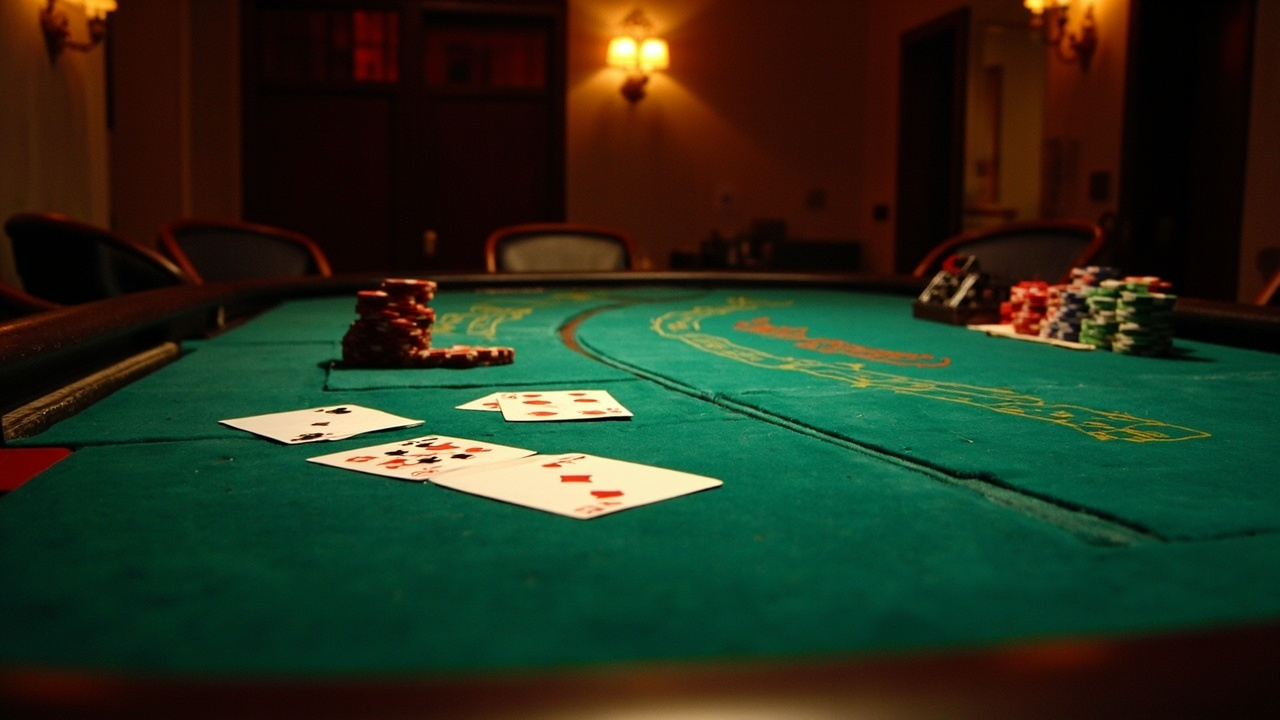
Focus in poker bet sizing strategy explained is not about watching every card; it is about choosing a target size that matches the street, the range, and the player across from you. On the flop, a half-pot bet usually keeps weaker hands in the pot while denying equity to draws. On the turn, you can widen or tighten that number depending on whether the board has turned dangerous or stayed dry. Daniel Morgan, Strategy Director at Tasman Gaming Partners, frames it plainly: “Bet sizing should answer two questions first – what am I denying, and what am I getting called by.” That framing keeps you from sizing purely on gut feel.
The practical side matters just as much. A table that runs late into an arvo with tired opponents rewards smaller, more frequent bets because people start calling with second-best hands. A quiet midweek session tends to fold faster, so a larger sizing can thin the field and protect your advantage. Poker bet sizing strategy explained works best when you treat the number as a tool, not a habit. You pick a size, test the response, and adjust the next round instead of stubbornly repeating the same line.
| Element | What It Looks Like in Practice |
|---|---|
| Core offer | Cash and tournament tables with position-aware sizing tools |
| Games and providers | Mixed-limit hold’em and Omaha across several reputable software partners |
| Bonus mechanics | Deposit match with clear wagering, no hidden rollover traps |
| Payments and currencies | AUD deposits and withdrawals, standard processing windows |
| Registration and mobile | Straight sign-up flow, stable mobile play on most browsers |
| Support and loyalty | Live chat during busy sessions, points that convert to table credit |
How to Size Your Bets Across Streets
Small, Medium, and Large Numbers
A small bet around thirty to forty percent of the pot usually aims to keep the pot controlled while still charging draws a toll. It suits early streets when you want to realise equity without bloating the pot. A medium bet near half the pot is the workhorse line for value and semi-bluffing because it gets called by a wide enough range without overcommitting. A larger bet, often two-thirds or more, leans on polarisation: you want hands that either have the nuts or are bluffing, and you want opponents to rethink calling with marginal holdings.
The board texture changes the maths. Dry boards with disconnected ranks tolerate smaller sizing because opponents have fewer draws to protect. Wet boards with flush and straight possibilities push you toward larger numbers if you want to deny equity, or toward smaller numbers if you are happy to keep weaker value hands in. The point is not to memorise a chart but to match the number to the story the board tells.
Reading the Player and the Moment
Player tendencies matter as much as the cards. A calling station across the table punishes tiny value bets because they pay you off with second pair and top pair weak kicker. A folding station does the opposite, so oversized bluffs can get through while undersized value bets get raised off the top. Daniel Thompson, Board Member at Brighton Beach Betting Lab, notes that session rhythm changes everything: “A quiet Tuesday session and a packed Saturday arvo rarely reward the same sizing, even on the same board.” That observation is useful because it reminds you that the same hand can call for a different number depending on who is watching and how tired they are. Ilahisozler
Position sharpens the call further. In late position you can size a bit larger because you have information from the earlier streets and can control the pot after the turn. In early position, a tighter sizing protects you from getting raised off guard and keeps your range balanced. The infamous “SP bookie” took illegal off-course bets across mid-century Australia by reading pace and patience rather than pure probability, and the same instinct – reading the environment before committing – translates cleanly to sizing. You are not guessing a number; you are reacting to who is in the hand and what they are likely to do with it.
Matching Sizing to Your Own Play Style
Poker bet sizing strategy explained only sticks when it fits the way you actually play. A tight, patient player usually benefits from sizes that protect strong hands and keep marginal hands in the mix, because the goal is to get called by worse while avoiding unnecessary bluffs. A looser, more aggressive player can lean toward larger polarised sizes on later streets, using the threat of the nuts to make opponents pay to chase. Neither style is automatically better; the sizing just has to line up with the range you actually hold.
The everyday usability of a table matters here too. A platform that offers clear limits, stable software, and predictable withdrawal windows lets you focus on the decision instead of the mechanics. When you can move between cash and tournament formats without friction, you get more reps at different stack depths, and that repetition sharpens your feel for when a smaller number is enough and when a larger number is justified. The same logic applies to any serious operator, including the one covered in an ozwin casino review, where sensible limits and a calm interface make it easier to practise sizing without the distraction of clunky menus.
Finn King, Managing Partner at Red Centre Analytics, puts the practical test simply: “If your sizing is consistent across similar spots, you can spot when a result is luck rather than a leak.” That consistency is the real payoff. You stop second-guessing every bet and start noticing patterns in how opponents respond. Over time, the numbers become less of a guess and more of a repeatable decision.
What This Means for Your Next Session
The clearest takeaway is that bet sizing is a conversation with the table, not a fixed rule. Start with a sensible base number, adjust for texture and position, and then tune it to the player you are facing. Small bets keep the pot manageable on dry boards; medium bets extract value from wide calling ranges; larger bets put pressure on polarised situations. None of that works if you change your number every hand for no reason.
A practical session plan helps. Pick one base size for value on the flop, one for protection on a wet turn, and one for polarised bluffs when the board gets scary. Track how often you get called, raised, or folded to, and let that feedback shape the next round. The goal is not to hit a perfect number every time; it is to make your sizing predictable enough to learn from and flexible enough to respond to the hand.
The verdict is straightforward. Treat poker bet sizing strategy explained as a repeatable framework, not a magic trick. Use position, texture, and opponent tendencies to choose a number, keep your sizing consistent enough to learn from, and adjust when the table tells you something different. That approach keeps your play grounded, your decisions clearer, and your results more about skill than luck.