
Live dealer tables bring a human rhythm to online casino australia live dealer
I caught up with Nikki Barnett over a coffee in Cairns, where she was straightening a stack of marketing briefs while the humidity pressed against the window. She did not mince words when I asked what actually holds a player’s attention in a live dealer room. Barnett, who has built eCommerce and marketing teams around revenue growth and retention, treats the live floor the same way she treats a high-performing catalogue: every click has to earn its place, and the experience has to feel local without pretending to be something it is not. Her read on the space is blunt, practical, and shaped by years of tuning digital funnels for real people rather than chasing vanity metrics.
What the live floor actually delivers
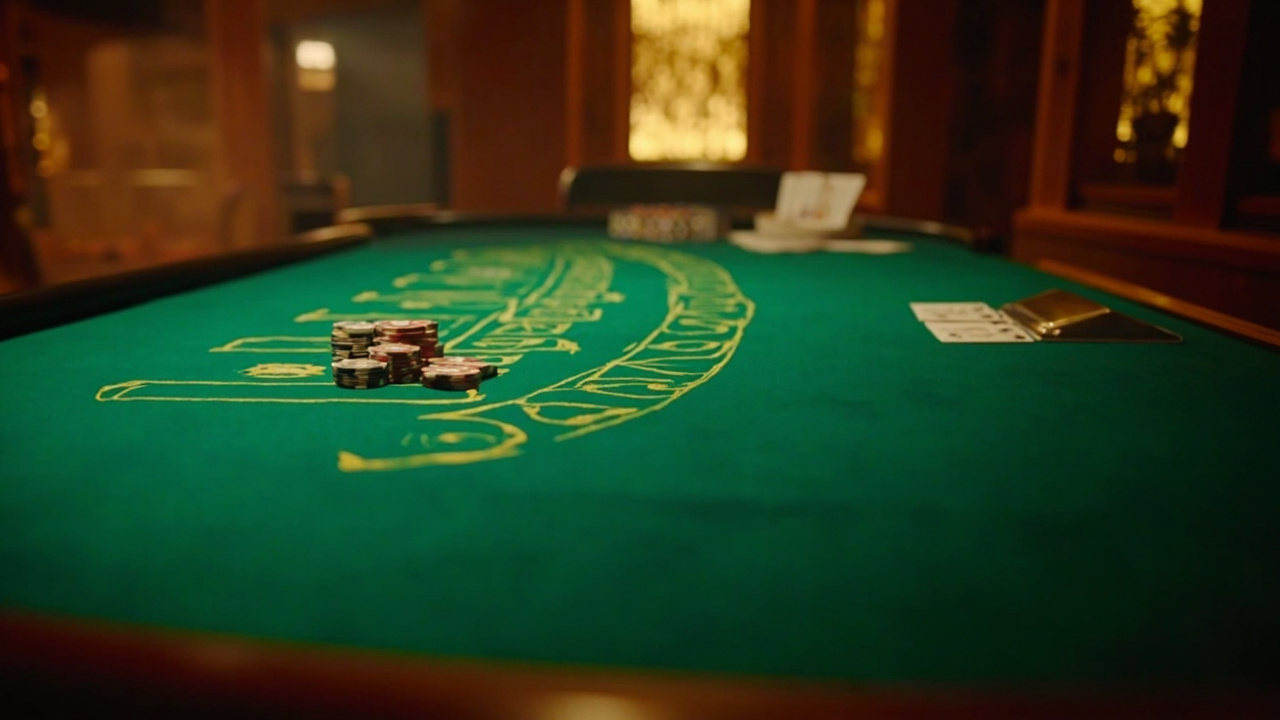
The room starts with the people, and Barnett was quick to point out that a well-run live dealer setup is less about spectacle and more about pacing. A trained croupier who reads the table, keeps the rhythm steady, and handles the small moments of friction is worth more than a flashy backdrop. She compared it to a retention loop she built for a subscription business a few years back, where the difference between churn and repeat visits came down to consistency, not novelty. The same logic applies here: a dealer who knows when to slow a hand, when to clarify a bet, and when to keep the table moving without rushing it creates the kind of familiarity that keeps people returning on a Tuesday arvo rather than drifting off after one session.
The game spread matters just as much as the people running it, and the operators worth a look tend to lean on established providers who know how to balance classic table games with a few modern twists. Barnett noted that a live room with a clear hierarchy – blackjack and roulette anchoring the floor, baccarat and game-show style tables sitting neatly beside them – helps players find their footing without hunting through clutter. She flagged that a room overloaded with novelty tables can feel busy as a market stall on a weekend, which is fine for a short session but rough on retention when the novelty wears thin. A tighter spread with predictable quality tends to outperform a sprawling one where every table promises something different.
The camera work and audio are where a room either earns trust or loses it, and Barnett was candid that this is where a lot of operators underinvest. A stable feed, a table that stays in frame, and sound that carries the dealer’s calls without drowning them in background noise are basic expectations, not extras. She compared it to a checkout flow she once audited, where a single broken step was enough to send shoppers elsewhere even when everything else worked. In a live room, a jittery stream or a poorly lit felt has the same effect: it breaks the illusion of presence and leaves players wondering whether the next hand will even load cleanly.
How the interface and localisation hold up
The room starts with the people, and Barnett was quick to point out that a well-run live dealer setup is less about spectacle and more about pacing. A trained croupier who reads the table, keeps the rhythm steady, and handles the small moments of friction is worth more than a flashy backdrop. She compared it to a retention loop she built for a subscription business a few years back, where the difference between churn and repeat visits came down to consistency, not novelty. The same logic applies here: a dealer who knows when to slow a hand, when to clarify a bet, and when to keep the table moving without rushing it creates the kind of familiarity that keeps people returning on a Tuesday arvo rather than drifting off after one session. jackpot jill casino
This philosophy extends to the interface design, where clarity often trumps decoration. For a deeper look at how these principles apply to digital formats, explore live dealer video slots. The goal remains consistent: creating an environment where the game flows naturally without unnecessary distractions.
The game spread matters just as much as the people running it, and the operators worth a look tend to lean on established providers who know how to balance classic table games with a few modern twists. Barnett noted that a live room with a clear hierarchy – blackjack and roulette anchoring the floor, baccarat and game-show style tables sitting neatly beside them – helps players find their footing without hunting through clutter. She flagged that a room overloaded with novelty tables can feel busy as a market stall on a weekend, which is fine for a short session but rough on retention when the novelty wears thin. A tighter spread with predictable quality tends to outperform a sprawling one where every table promises something different.
The camera work and audio are where a room either earns trust or loses it, and Barnett was candid that this is where a lot of operators underinvest. A stable feed, a table that stays in frame, and sound that carries the dealer’s calls without drowning them in background noise are basic expectations, not extras. She compared it to a checkout flow she once audited, where a single broken step was enough to send shoppers elsewhere even when everything else worked. In a live room, a jittery stream or a poorly lit felt has the same effect: it breaks the illusion of presence and leaves players wondering whether the next hand will even load cleanly.

Who this setup suits, and who should look elsewhere
Barnett was careful to frame the live dealer room as a fit problem rather than a blanket recommendation, and that distinction shapes the whole verdict. She sees the format working best for players who want a table feel without leaving home, people who appreciate a human pace and a clear set of rules, and regulars who are more interested in a steady session than a quick rush. She contrasted that with the impulse player who wants instant action and minimal waiting, noting that a live room’s rhythm can feel slow if you are chasing fast turnover. Her judgement call was straightforward: if you value a visible dealer, a readable table, and a session that unfolds in real time, the format has real appeal; if you prefer speed over presence, a standard digital table often suits you better.
Bonus mechanics and payment choices are where the fit either sharpens or blurs, and Barnett warned against treating them as an afterthought. A room that posts clear wagering terms, a sensible currency display, and payment routes that match how people actually bank locally will feel more usable than one that hides the details behind vague promises. She pointed to a login flow she once rebuilt for a consumer brand, where simplifying the entry steps and making the account state obvious lifted repeat visits more than any promotional splash ever did. The same principle applies here: a player who can see where they stand, understand the bonus terms without decoding them, and move money without friction is far more likely to return than one who has to guess at the rules.
The verdict, as Barnett put it, is less about chasing a perfect room and more about matching the room to the player. A live dealer setup with steady tables, a readable interface, and local sensibilities in the language and currency will suit someone who wants a grounded, human-paced session. It is not a cure-all, and it will not suit every style of play, but for the right audience it offers something that a purely digital table rarely does: a sense that the hand is happening now, with a real person at the centre of it.
For anyone weighing a live room, the practical question is whether the pacing, the interface, and the local details line up with how you actually like to play, and Barnett’s read is that the rooms worth your time are the ones that answer that question without making you work for it.