
Open Face Chinese Poker Bankroll Management for Australian Players
Managing an open face chinese poker bankroll is less about chasing big hands and more about surviving the slow burn of scoring cards across three positions. I have spent years watching wagering flows and racing bettors treat their money like it grows on trees, but poker scoring demands a different discipline entirely. When you sit down at a table, the cards do not care about your mood, and neither should your limits. Setting aside a dedicated fund before the first card flips keeps the session fun instead of stressful, particularly when you reckon the variance might bite on a quiet arvo.
Where the focus sits before the first deal
The real focus here is separating your poker fund from your everyday spending money so a bad run does not wreck your week. I have seen wagering dashboards where users treat bonus credits like free cash, only to hit wagering requirements that make the balance disappear faster than a sunset over Darwin Harbour. An open face chinese poker bankroll needs the same respect as a staking plan on a thoroughbred, because each hand scores points across the front, middle, and back rows differently. Players who mix their poker money with their rent money often fold under pressure, whereas a dedicated pool lets you play the long game without sweating every single card flip.
Treating the fund like a staking plan
Thinking about an open face chinese poker bankroll like a staking plan changes how you approach each session. I worked on a wagering product where we capped daily losses to keep users playing longer without blowing up, and that same logic applies here. You decide a session limit, stick to it, and walk away when it hits, rather than chasing losses that never come back. The scoring system rewards patience across the three rows, so a rigid budget helps you avoid desperate moves that wreck your position.
Keeping score and funds separate
Keeping your score tracking separate from your actual money prevents confusion when the points pile up. Some players get excited about a strong hand and forget that points are not withdrawable cash until you settle the session properly. I have seen iGaming interfaces where the balance and the score sit right next to each other, which helps players understand what they can actually take home versus what is just a temporary lead. That separation matters when you are deciding whether to play another round or call it a night.
What matters for the actual player
Your open face chinese poker bankroll should match how often you actually sit down to play. If you only play once a month, a huge fund just sits idle, but a tiny one leaves you exposed to normal variance. I have watched racing punters adjust their staking based on form guides, and poker players need that same flexibility when their schedule changes. The key is picking a number that lets you play comfortably without feeling the pinch when a few hands go sideways.
Matching limits to your schedule
Matching your limits to your schedule stops you from overcommitting when life gets busy as a Darwin weekend market. If you can only play on weekends, size your fund around those sessions rather than pretending you will play every night. A fund that fits your actual habits keeps the game enjoyable, because you are not constantly worrying about whether you can afford another round.
Reading the room before you commit
Reading the room before you commit helps you avoid tables where the stakes do not suit your fund. Some games move fast and demand quick decisions, while others let you think through each card placement. I have seen product designs where the table stakes were obvious upfront, which saved players from joining a game that ate through their money before they could settle in. Picking the right table protects your open face chinese poker bankroll from unnecessary pressure.
Matching the pace to your playstyle keeps the session enjoyable and prevents rushed mistakes. You can find tables that fit your preferred speed by browsing the latest options at wanted dead or a wild free play.
Practical steps to protect your money
Protecting your open face chinese poker bankroll comes down to a few habits you can start today. Set a session limit, track your results, and never mix poker funds with money you need for bills. If you want to test the waters first, you can check out a wanted dead or a wild free play before committing real cash. That kind of dry run helps you understand the scoring without risking your fund on a bad hand.
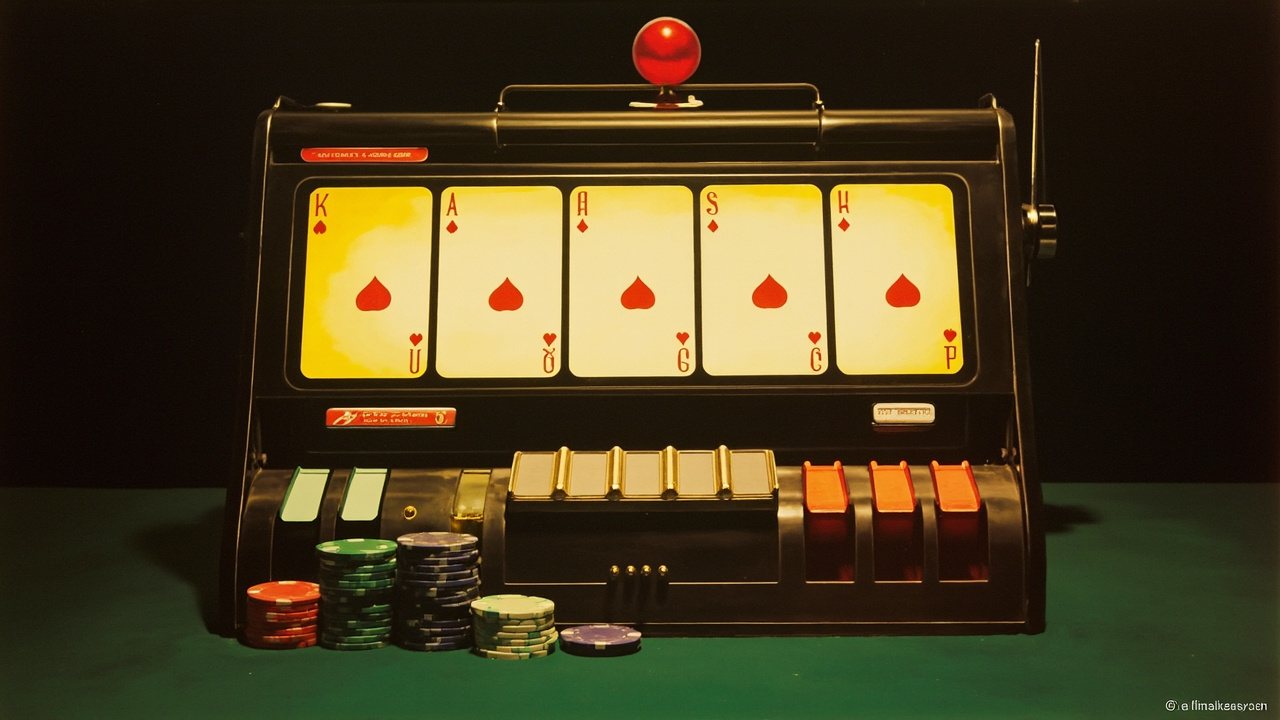
- Front row: The weakest hand you build first, worth fewer points but setting up the rest of your layout.
- Middle row: A medium-strength hand that must beat the front row but stay weaker than the back.
- Back row: Your strongest hand, which must beat both the front and middle rows to score properly.
- Scoop: Winning all three rows against an opponent, which usually pays out a bigger share of the pot.