
Poker Night on a Plan: Budgeting Without Blowing the Bank
Getting a Saturday night game running in Hobart isn’t about luck with the cards, it’s about luck with the ledger. I’ve spent years building retention funnels and revenue models, and the same discipline applies when you’re chasing a win in the arvo. Treat your cash like a campaign budget: cap the spend, track the drop-off, and don’t chase losses when the table turns quiet. We’ll walk through a sensible cap, a quick spread sheet, and a couple of realistic scenarios so the night stays social instead of stressful. If you’re after a separate thrill on the side, plinko online for high multiplier board drops is one path some mates take, but keep it strictly off the poker buy-in.
Set a Hard Cap Before the Cards Hit the Felt
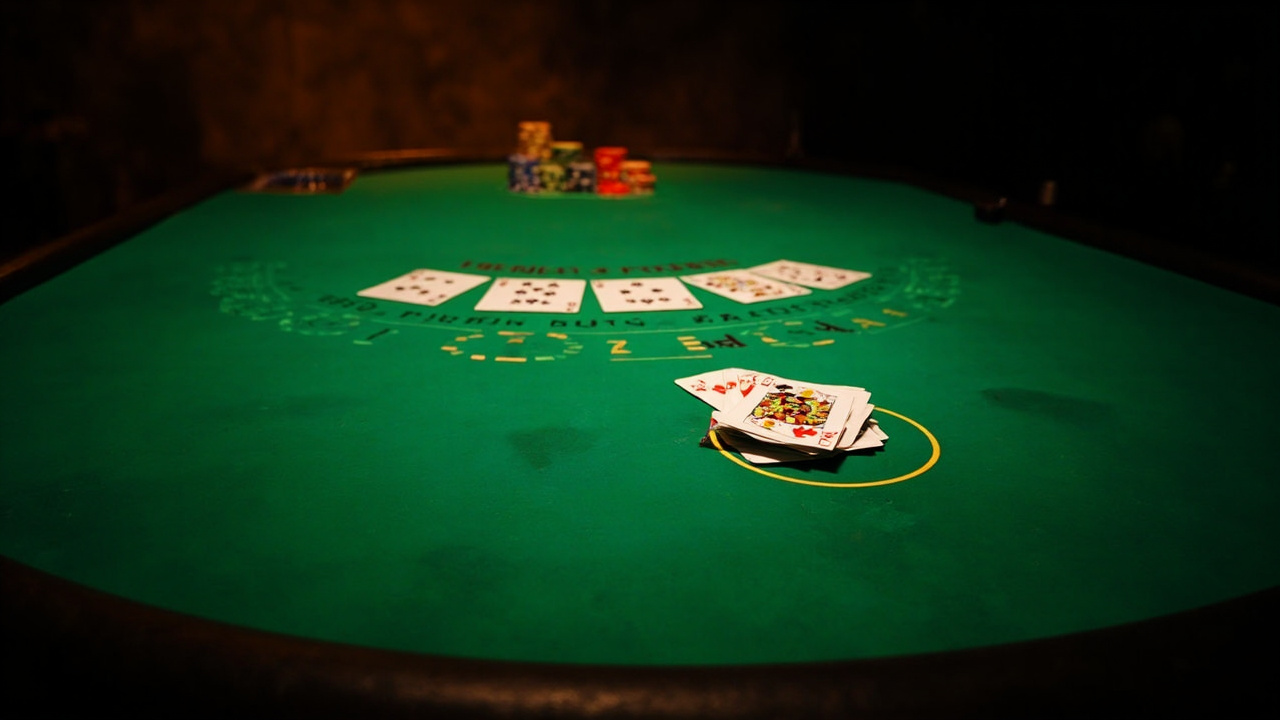
Start with a number you’re comfortable losing, not a number you hope to double. In my teams, we treat acquisition spend the same way: you set a ceiling, you measure the return, and you cut the line when the metrics stall. For a home game, that ceiling is your entertainment budget, full stop. A fair starting point for most adults is the price of a decent night out – think a couple of tanks of fuel, a feed, and a drink or two – then lock it in before you shuffle. Write it down, hide the spare cards, and agree that no one tops up mid-session. If the buy-in feels tight, scale the stakes down rather than dipping into the grocery money.
| Budget tier | Typical buy-in | Best for |
|---|---|---|
| Casual catch-up | $10-$20 | Friends who want a few hands and a laugh |
| Regular home game | $25-$50 | Players who like longer sessions and modest pots |
| Serious local night | $60-$100 | Experienced players who track results over time |
That table keeps expectations honest. Pick the tier that matches the crowd, not the one that sounds impressive on paper. I’ve seen groups blow a Saturday because one person treated a $20 cap like a challenge instead of a limit. A hard cap isn’t restrictive; it’s what lets everyone come back next month without awkward conversations.
Track the Spend Like a Retention Funnel
Once the cap is set, treat every buy-in, rebuy, and side pot like a tracked event. In eCommerce, we watch where customers drop off and where they linger; poker night works the same way if you want the habit to stay healthy. Keep a simple sheet with three columns: player, starting stack, and end stack. No need for fancy software – a notebook or a phone note does the job. The goal isn’t to police anyone, it’s to spot patterns. If one mate consistently rebuys past the agreed limit, that’s a signal to tighten the rules or shorten the session.
A few practical habits keep the numbers clean:
- Agree on a single currency and stick to it, even if someone’s paying in cash and another’s using a card. plinko online for high multiplier board drops
- Record rebuys only if the group has explicitly allowed them, and cap them at one per player per night.
- Note any side pots or charity blinds separately so the main budget stays readable.
I reckon most home games drift because nobody writes anything down. A five-minute tally at the end of the night beats a fuzzy memory and keeps the mood light. If you’re the organiser, you’re basically running a small retention loop: set the expectation, measure the behaviour, and adjust the next session based on what the numbers say.
Scale the Stakes Without Stressing the Wallet
Not every night needs the same buy-in. Some sessions are about keeping the table full, others are about testing a tighter strategy. The trick is to match the stakes to the crowd and the goal, not to the loudest voice at the table. I’ve managed product launches where we scaled spend gradually based on real performance, and poker works the same way: start modest, watch the action, then raise the limits only when the group is genuinely interested and the bankrolls can handle it.
Two realistic scenarios help keep things grounded:
- A mixed crowd with a few beginners does best with a low blind structure and a small rebuy limit, so nobody feels priced out after an hour.
- A regular group that knows the rules can run a steeper ladder, but only if everyone has agreed in advance and the total spend still sits inside the original cap.
I’d flag one caveat from the compliance side. Daniel Clarke, Compliance Director, Federation Betting Insights, has noted that home games stay healthiest when the group treats them as social spending rather than a side hustle. That mindset keeps the budget honest and the night enjoyable. If you’re ever tempted to stretch the limits, step back and ask whether the extra stake actually improves the session or just adds pressure. A well-run game in Hobart can easily run on a sensible cap, a clear tally, and a group that knows when to call it a night.
The smartest poker night budget is the one nobody has to defend. Set the cap, track the stacks, and scale only when the group is genuinely keen. Keep the stakes tied to the crowd, not to the hope of a big win, and you’ll have a regular night that actually comes back around. No worries if the cards don’t cooperate – you’re paying for the company and the session, not a payday.